
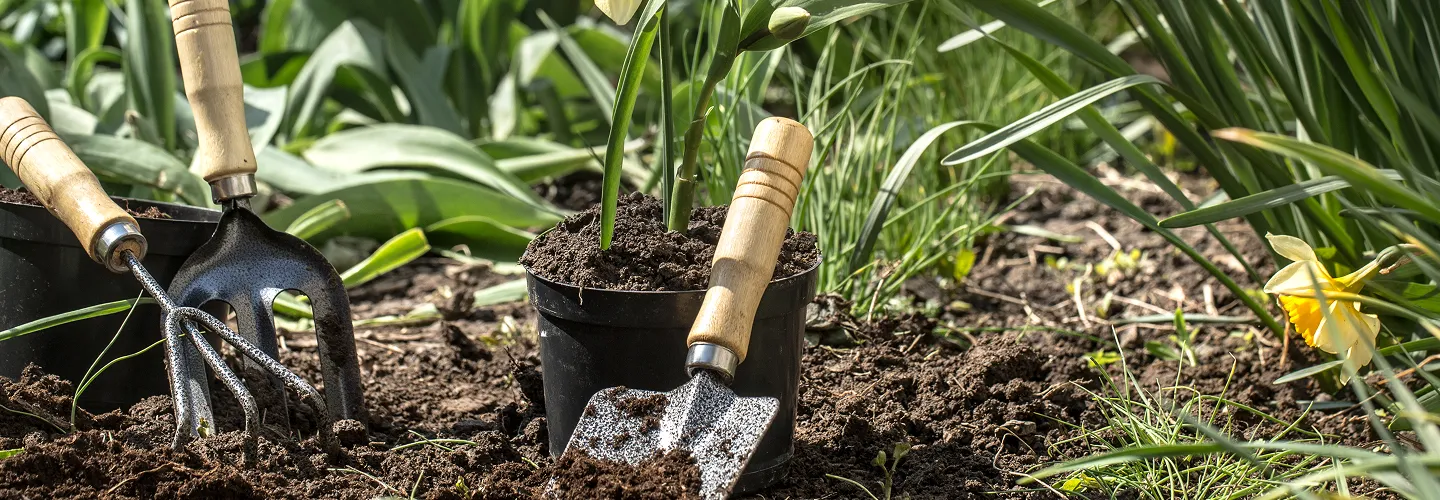
Clearwater Green Waste Disposal Services
Choose our Green Waste Disposal for reliable, environmentally responsible service that keeps your property clean and supports a healthier community.
Get a Free QuoteOur Clearwater Landscaping & Yard Care Services
When to Schedule Green Waste Disposal in Clearwater, Florida – Seasonal Guide
In Clearwater, Florida, the best times to schedule green waste disposal are closely tied to our unique subtropical climate and the rhythms of local plant growth. With mild winters and hot, humid summers, most homeowners in neighborhoods like Countryside, Island Estates, and near Coachman Park find that late winter through early spring is ideal for major yard cleanups. This period, just after the last frost date and before the onset of summer rains, allows for efficient removal of fallen branches, palm fronds, and accumulated debris without interfering with new growth.
Humidity and rainfall patterns also play a significant role. During the summer, frequent afternoon storms can quickly lead to overgrown lawns and gardens, especially in shaded areas or properties with dense tree canopies. Scheduling green waste disposal after major weather events or before hurricane season helps maintain curb appeal and reduces the risk of blocked drains or pest infestations. For more information on local guidelines and best practices, visit the City of Sudbury's resource page.
Local Factors to Consider for Green Waste Disposal in Clearwater
- Tree density and types (e.g., live oaks, palms, pines)
- Proximity to water bodies like Clearwater Harbor or Lake Belleview
- Soil type and drainage (sandy soils may require more frequent cleanups)
- Shade coverage and undergrowth density
- Seasonal precipitation and drought risk
- Municipal collection schedules and restrictions
- Recent storms or hurricane activity
Benefits of Green Waste Disposal in Clearwater

Eco-Friendly Landscaping Solutions
Efficient Green Waste Removal
Promotes Healthy Plant Growth
Reduces Landfill Waste
Enhances Property Appearance
Supports Local Sustainability Efforts
Clearwater Green Waste Disposal Types

Grass Clippings
-
Tree Branches
-
Shrub Trimmings
-
Leaves and Foliage
-
Garden Weeds
-
Mulch and Wood Chips
-
Palm Fronds
Our Green Waste Disposal Process
Collection of Green Waste
Sorting and Separation
Transport to Disposal Facility
Eco-Friendly Processing
Why Choose Clearwater Landscape Services
-
Clearwater Homeowners Trust Us
-
Expert Lawn Maintenance
-
Competitive Pricing
-
Professional Team
-
Satisfaction Guarantee
-
Personalized Service
-
Reliable Scheduling
Clearwater’s Municipal Coordination for Green Waste Disposal and Storm Debris Management
Green waste disposal in Clearwater, FL is managed through a coordinated municipal program designed to protect public infrastructure and local waterways. The Department of Public Works oversees the collection of yard debris, including leaves, grass clippings, branches, and other vegetative material. Residents and property managers must ensure that green waste is properly bundled or containerized according to city guidelines to facilitate curbside pickup and prevent debris from entering storm drains or swales. During storm events, additional collection procedures may be activated to address increased volumes of vegetative debris. For large-scale or commercial green waste, arrangements should be made in advance with the city to ensure compliance with disposal protocols. Keeping green waste out of drainage inlets and canals is essential for flood prevention and water quality protection.
- Only organic yard waste (no soil, rocks, or trash) is accepted in the green waste stream
- Bundles should be manageable in size and weight as specified by the city
- Debris must not block sidewalks, roadways, or stormwater infrastructure
Clearwater FL Public Works
100 S Myrtle Ave, Clearwater, FL 33756
Official Website: Clearwater FL Public Works
How Clearwater’s Gulf Coast Climate and Soils Shape Green Waste Disposal
Clearwater is situated in the Gulf Coast Florida region, characterized by a humid subtropical climate, high summer rainfall, and sandy coastal soils. These conditions influence both the volume and timing of green waste generation. The city’s wet season, typically from June through September, accelerates vegetative growth and results in frequent yard debris accumulation. Sandy soils, as identified by the USDA Web Soil Survey, allow for rapid drainage but can also contribute to nutrient leaching, making it important to prevent organic debris from washing into storm drains and canals. Additionally, the proximity to the Gulf of Mexico exposes some neighborhoods to salt spray, which can affect plant health and increase the need for periodic removal of salt-damaged vegetation. The high water table in many areas further underscores the importance of keeping green waste out of swales and retention ponds to avoid blockages and localized flooding.
- Wet-season storms increase debris volume and collection frequency
- Sandy soils require careful management to prevent runoff of organic material
- Salt exposure near the coast may necessitate more frequent removal of damaged plant matter
Regulatory Requirements and Environmental Compliance for Green Waste in Clearwater
Green waste disposal in Clearwater is subject to both municipal and state-level regulations. The city enforces rules to ensure that yard debris does not obstruct public rights-of-way or enter stormwater systems, in accordance with the Florida DEP NPDES Stormwater Program. Property owners are responsible for ensuring that green waste is separated from other refuse and placed for collection in compliance with city code. Code Compliance officers may issue notices for improper disposal, such as unbundled piles or debris left in the street. For commercial landscaping operations, additional requirements may apply, including the need to transport green waste to approved facilities. The Summary of the Clean Water Act also underpins local efforts to prevent organic debris from contributing to nutrient pollution in local waterways. Residents should verify current requirements with the city, as collection schedules and enforcement thresholds may change based on seasonal demand or storm recovery needs.
Clearwater FL Code Compliance
100 S Myrtle Ave, Clearwater, FL 33756
Official Website: Clearwater FL Code Compliance
Professional Methods and Timing for Green Waste Disposal in Clearwater’s Environment
Effective green waste disposal in Clearwater requires attention to both timing and technique, especially given the city’s rapid vegetative growth during the wet season. Professional standards recommend scheduling major yard cleanups before the onset of summer rains to minimize the risk of debris being washed into storm drains. During peak growth periods, more frequent collection or drop-off may be necessary. Bundling branches and bagging leaves in biodegradable containers helps streamline municipal pickup and reduces the risk of clogging drainage infrastructure. It is also advisable to avoid placing green waste on pavement or near curb inlets, as heavy rainfall can quickly transport debris into the stormwater system. For properties adjacent to canals, lakes, or retention ponds, extra care should be taken to prevent organic material from entering water bodies, as this can contribute to nutrient loading and algal blooms. The EPA Stormwater Discharges from Municipal Sources provides further context on the importance of these practices.
- Schedule major yard cleanups before the wet season
- Use biodegradable bags or tie bundles securely for collection
- Keep all green waste at least several feet from storm drains and water edges
What Neighborhoods Do We Serve Throughout Clearwater, FL?
- Island Estates This waterfront neighborhood features mature landscaping and requires careful green waste handling to protect adjacent canals and seawalls.
- Countryside Larger lots and extensive tree cover in Countryside generate significant yard debris, especially after summer storms.
- Old Clearwater Bay Historic lots with established trees and proximity to the bay demand regular green waste removal to maintain drainage and neighborhood appearance.
- Morningside-Meadows Subdivision fill soils and active irrigation systems in this area make timely green waste collection important for preventing runoff issues.
- Greenbriar Shaded lots and older plantings in Greenbriar contribute to steady leaf and branch accumulation throughout the year.
- Del Oro Groves This neighborhood’s adjacency to retention ponds and swales requires diligent debris management to avoid waterway blockages.
- Clearwater Beach Coastal exposure and salt-sensitive landscaping on the barrier island result in unique green waste disposal needs, especially after wind events.