
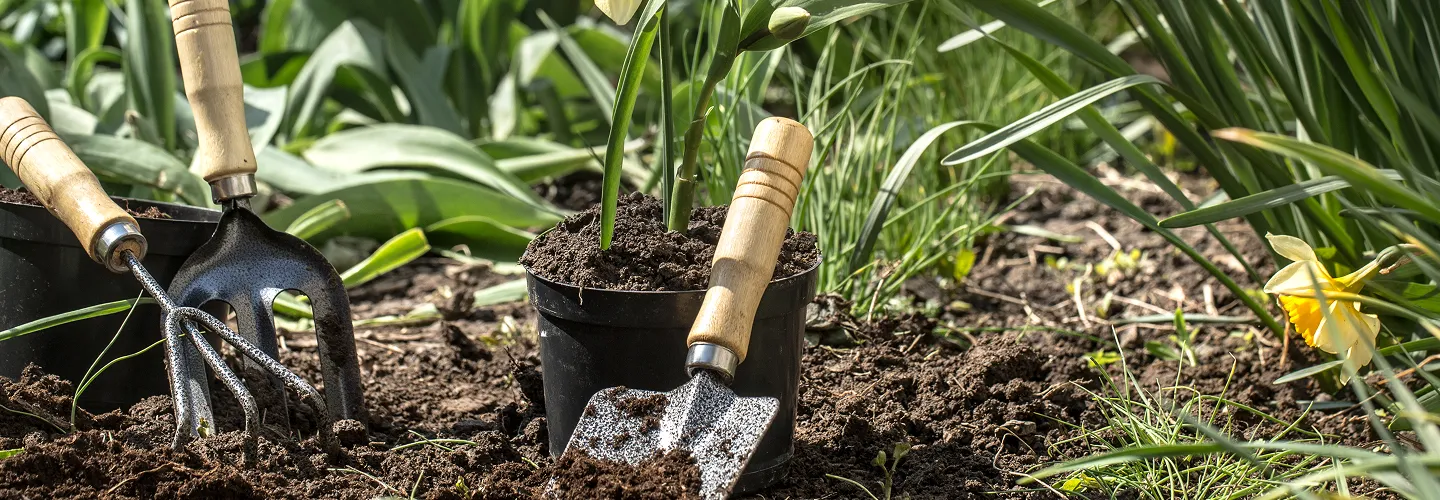
Clearwater Plant Removal Services
Choose our plant removal experts for safe, thorough, and eco-friendly solutions that restore your landscape’s beauty and health—trusted by Clearwater homeowners for reliable results every time.
Get a Free QuoteOur Clearwater Landscaping & Yard Care Services
When to Schedule Plant Removal in Clearwater, Florida – Seasonal Guide
In Clearwater, Florida, timing your plant removal is crucial for both the health of your landscape and compliance with local guidelines. The region’s subtropical climate means that most plant removals are best scheduled during the cooler, drier months—typically late fall through early spring. This period, after the last frost and before the onset of summer humidity, allows for easier root extraction and minimizes stress on surrounding vegetation. Neighborhoods like Countryside and Island Estates often experience unique microclimates, so it’s important to consider local conditions such as shade from mature oaks or the sandy soils common near Clearwater Beach.
Environmental factors like drought risk, high humidity, and the potential for sudden storms can all impact the success of plant removal projects. For example, areas near Crest Lake Park may have higher soil moisture, while properties closer to Gulf-to-Bay Boulevard might face more compacted soils. Always check for municipal restrictions or permit requirements, which can be found on official resources like the City of Sudbury website, before scheduling your service.
Local Factors to Consider for Plant Removal in Clearwater
- Tree density and proximity to structures
- Terrain slope and soil composition (sandy, loamy, or clay)
- Seasonal precipitation and risk of heavy rain
- Local frost dates and humidity levels
- Shade coverage from established trees
- Municipal restrictions or permit requirements
Benefits of Plant Removal in Clearwater
Expert Landscaping Services
Efficient Plant Removal
Eco-Friendly Disposal
Improved Curb Appeal
Customized Solutions
Licensed and Insured Team
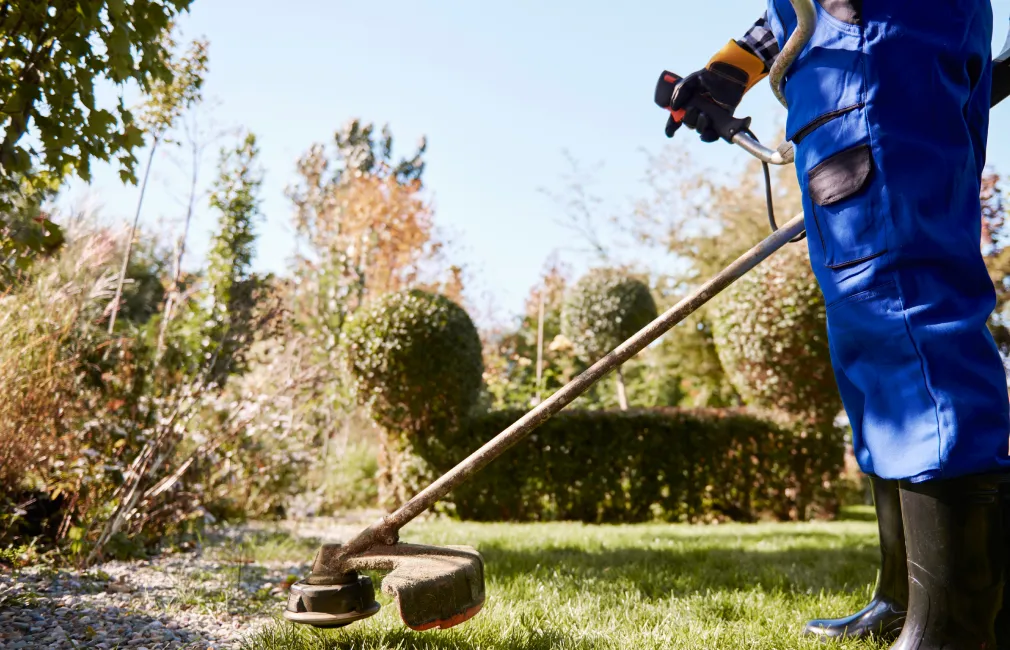
Clearwater Plant Removal Types

Tree Removal
-
Shrub Removal
-
Stump Grinding
-
Invasive Species Removal
-
Root System Extraction
-
Hedge Clearing
-
Overgrown Vegetation Removal
Our Plant Removal Process
Site Evaluation
Preparation and Safety Measures
Plant Extraction
Debris Removal
Site Restoration
Why Choose Clearwater Landscape Services
-
Clearwater Homeowners Trust Us
-
Expert Lawn Maintenance
-
Competitive Pricing
-
Professional Team
-
Satisfaction Guarantee
-
Personalized Service
-
Reliable Scheduling
Coordinating Plant Removal with Clearwater’s Public Works and Stormwater Systems
Plant removal in Clearwater, FL, requires careful coordination with city services to ensure that vegetative debris is managed in accordance with municipal procedures and environmental safeguards. The Department of Public Works oversees the collection and disposal of plant material, with particular attention to preventing debris from entering storm drains, swales, and canals. Residents and property managers should bundle or containerize plant debris as specified by city guidelines and avoid placing materials in the right-of-way during storm events to reduce the risk of flooding and waterway contamination. For larger projects or removals near public infrastructure, advance notification to the department may be necessary to arrange for bulk pickup or to address potential drainage impacts. The city emphasizes the importance of keeping all plant debris clear of curb inlets and drainage channels to protect local water quality and infrastructure.
Clearwater FL Public Works
100 S Myrtle Ave, Clearwater, FL 33756
Phone: 727-562-4950
Official Website: Clearwater FL Public Works
Clearwater’s Gulf Coast Environment and Its Impact on Plant Removal
Clearwater is situated in the Gulf Coast Florida region, characterized by high humidity, intense summer heat, and a pronounced wet season from June through September. These conditions influence plant removal in several ways:
- Sandy and fill-based soils are common, leading to rapid drainage but also increased risk of erosion and nutrient leaching after root-zone disturbance.
- The high water table in many neighborhoods means that removal activities near swales, canals, or retention ponds must be managed to prevent sediment runoff.
- Salt exposure is a factor in coastal and waterfront areas, affecting both the types of plants present and the methods used for removal and site stabilization. Additionally, the USDA Hardiness Zone for Clearwater is 10a, supporting a wide range of subtropical vegetation, including invasive species that may require targeted removal. The city’s proximity to water bodies necessitates extra caution to prevent debris and soil from entering stormwater systems, as outlined by the Florida DEP NPDES Stormwater Program.
Regulatory Requirements and Environmental Compliance for Plant Removal in Clearwater
Plant removal projects in Clearwater are subject to a combination of municipal codes and state environmental regulations. The city enforces ordinances related to property maintenance, debris management, and protection of public rights-of-way. For removals that may impact drainage features or public infrastructure, review by the Department of Public Works or Code Compliance may be required. Florida’s Clean Water Act and the Florida DEP NPDES Stormwater Program establish standards to prevent sediment and organic matter from entering stormwater systems. Invasive or nuisance vegetation removal may also be subject to additional review, especially near wetlands or protected areas. Residents should verify current requirements with the city, as thresholds for permits or notifications can vary by location and project scope.
Clearwater FL Code Compliance
100 S Myrtle Ave, Clearwater, FL 33756
Phone: 727-562-4720
Official Website: Clearwater FL Code Compliance
Professional Standards and Timing for Plant Removal in Clearwater’s Climate
Effective plant removal in Clearwater involves more than just extraction; it requires attention to timing, site stabilization, and runoff prevention. Key professional standards include:
- Scheduling removal outside of peak wet season (June–September) when possible, to minimize erosion and sediment transport.
- Stabilizing exposed soil immediately after removal, using mulch or ground cover to reduce runoff into adjacent swales, canals, or storm drains.
- Avoiding removal during or immediately before forecasted heavy rainfall, as confirmed by the National Weather Service, to prevent debris migration.
- Using appropriate equipment to minimize disturbance to surrounding vegetation and infrastructure.
- Ensuring all debris is collected and disposed of according to city guidelines, never left in the right-of-way or near drainage features. These standards help protect Clearwater’s sensitive drainage systems and comply with both local and state environmental expectations.
What Neighborhoods Do We Serve Throughout Clearwater, FL?
- Island Estates This waterfront community features canal-adjacent lots where plant removal must account for runoff and salt exposure.
- Countryside Larger suburban lots with mature landscaping and fill-based soils require careful debris handling and erosion control.
- Old Clearwater Bay Older lots with established trees and proximity to the bay demand attention to drainage and neighborhood access constraints.
- Greenbriar Residential areas with swale drainage and moderate shade, where plant removal can affect local water flow.
- Feather Sound Planned developments with HOA oversight and irrigation intensity, often near retention ponds or golf course water features.
- Clearwater Beach Coastal properties with sandy soils and high salt exposure, requiring specialized removal and stabilization methods.
- Del Oro Groves Neighborhoods with mature trees and mixed drainage, where plant removal must be coordinated to protect stormwater infrastructure.