
Clearwater Brush Removal Services
Choose our brush removal experts for prompt, thorough service that keeps your property safe, beautiful, and ready for your next project—no job is too big or small for our experienced team.
Get a Free QuoteOur Clearwater Landscaping & Yard Care Services
When to Schedule Brush Removal in Clearwater, Florida – Seasonal Guide
In Clearwater, Florida, timing your brush removal is crucial for maintaining a healthy and attractive landscape. The region’s subtropical climate means that vegetation grows rapidly, especially during the warm, humid months from late spring through early fall. Scheduling brush removal just after the last frost—typically in late February or early March—ensures that you clear away winter debris before new growth begins. This is especially important in neighborhoods like Countryside and near landmarks such as Moccasin Lake Nature Park, where dense foliage and shade coverage can quickly lead to overgrown yards if not managed proactively.
Local environmental factors such as high humidity, sandy soils, and the risk of summer droughts also play a role in determining the best time for service. For example, removing brush before the onset of the rainy season helps prevent excess moisture from fostering mold or pests. Additionally, some areas in Clearwater may have municipal restrictions or guidelines for yard waste disposal, which you can review on the official city website. By considering these local nuances, you can ensure your property remains safe, compliant, and visually appealing year-round.
Local Factors to Consider for Brush Removal in Clearwater
- Tree density and type of vegetation (e.g., oaks in Old Clearwater Bay)
- Terrain and soil drainage, especially in low-lying areas
- Seasonal precipitation patterns and hurricane preparedness
- Municipal restrictions on brush disposal and burning
- Proximity to shaded areas or water features that may encourage overgrowth
Benefits of Brush Removal in Clearwater

Enhanced Curb Appeal
Improved Lawn Health
Reduced Pest Infestations
Increased Usable Space
Fire Hazard Reduction
Faster Project Completion
Clearwater Brush Removal Types

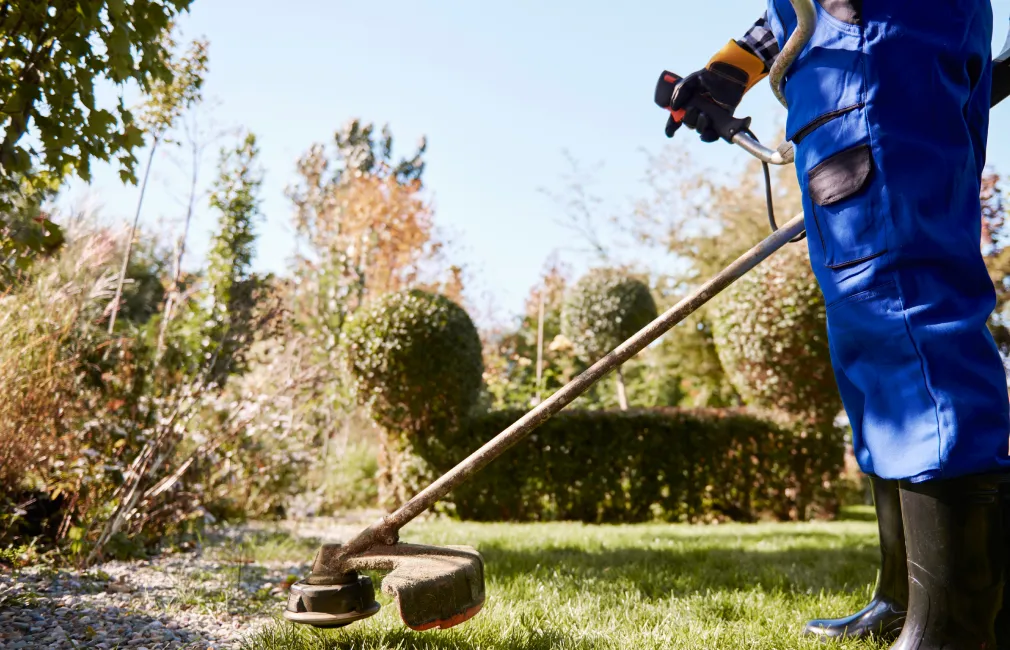
Manual Brush Clearing
-
Mechanical Brush Removal
-
Selective Brush Thinning
-
Brush Mulching
-
Controlled Burning
-
Herbicide Application
-
Stump Grinding and Removal
Our Brush Removal Process
Site Evaluation
Safety Preparation
Brush Clearing
Debris Removal
Final Inspection
Why Choose Clearwater Landscape Services
-
Clearwater Homeowners Trust Us
-
Expert Lawn Maintenance
-
Competitive Pricing
-
Professional Team
-
Satisfaction Guarantee
-
Personalized Service
-
Reliable Scheduling
Coordinating Brush Removal with Clearwater’s Public Works and Stormwater Systems
Brush removal in Clearwater, FL, is closely coordinated through the city’s Department of Public Works, which manages vegetative debris collection and ensures that brush piles do not obstruct stormwater infrastructure. Residents and property managers must place brush at the curb in accordance with city guidelines, keeping piles clear of storm drains, swales, and sidewalks to prevent flooding and maintain accessibility. The city may require separation of brush from other waste types, and collection schedules can be affected by storm events or high-volume periods. For large-scale or storm-related debris, additional procedures may apply, and residents should verify current requirements with the department. Proper placement and timely removal help protect Clearwater’s extensive canal and drainage network from blockages and water quality impacts.
Clearwater FL Public Works
100 S Myrtle Ave, Clearwater, FL 33756
Phone: (727) 562-4950
Official Website: Clearwater FL Public Works
How Clearwater’s Gulf Coast Climate and Soils Shape Brush Removal Needs
Clearwater’s Gulf Coast location brings unique environmental factors that directly influence brush removal practices. The city experiences high humidity and intense summer heat, which accelerate vegetative growth and increase the volume of brush requiring removal, especially during the wet season from June through September. Sandy and fill-based urban soils, as identified by the USDA Web Soil Survey, allow for rapid drainage but can also contribute to erosion if brush piles are left on bare ground. Additionally, the proximity to canals, lakes, and retention ponds means that improperly managed brush can easily be washed into waterways during heavy rainfall, impacting both drainage and water quality. These conditions require residents to be vigilant about the timing and placement of brush for collection, particularly in neighborhoods with high water tables or near coastal areas where salt exposure may affect vegetation.
Regulatory Requirements and Environmental Compliance for Brush Removal in Clearwater
Brush removal in Clearwater is subject to both municipal and state-level regulations designed to protect public health, safety, and the environment. The city enforces codes that prohibit the obstruction of rights-of-way and stormwater inlets with vegetative debris, and code compliance officers may issue notices for improper disposal or overgrown brush that poses a nuisance or safety hazard. In areas adjacent to water bodies, residents must take care to prevent brush from entering storm drains or canals, in line with the Florida DEP NPDES Stormwater Program, which aims to reduce pollutant runoff. For large-scale land clearing or development-related brush removal, additional review or permitting may be required through the city’s Planning & Development office. Residents should also be aware that the Clean Water Act prohibits the discharge of debris into navigable waters, reinforcing the importance of proper brush management.
Clearwater FL Code Compliance
100 S Myrtle Ave, Clearwater, FL 33756
Phone: (727) 562-4720
Official Website: Clearwater FL Code Compliance
Professional Methods and Seasonal Timing for Brush Removal in Clearwater’s Urban Landscape
Effective brush removal in Clearwater requires attention to both timing and technique, given the city’s climate and infrastructure. Key professional standards include:
- Scheduling removal before and after the wet season to minimize stormwater impacts
- Keeping brush piles under specified size limits and away from storm drains, swales, and sidewalks
- Using tarps or containers to prevent debris from scattering during windy or rainy conditions
- Avoiding placement of brush on bare sandy soils to reduce erosion risk
- Coordinating with city collection schedules, especially after tropical storms or hurricanes
Professionals also monitor weather forecasts from the National Weather Service to avoid scheduling removal during periods of heavy rain, which can delay collection and increase the risk of debris entering waterways. Adhering to these standards helps maintain neighborhood appearance, supports drainage, and protects Clearwater’s sensitive aquatic environments.
What Neighborhoods Do We Serve Throughout Clearwater, FL?
- Island Estates This waterfront community requires careful brush removal to prevent debris from entering canals and affecting boat access.
- Countryside Larger lots and mature landscaping in this area often generate significant brush, with attention needed for swale and stormwater management.
- Old Clearwater Bay Older lots with established trees and proximity to the bay demand regular brush clearance to maintain drainage and visibility.
- Greenbriar Subdivision fill soils and moderate shade exposure influence both brush growth and removal logistics in this residential area.
- Del Oro Groves Close to major roadways and drainage channels, this neighborhood benefits from timely brush removal to prevent right-of-way obstructions.
- Morningside-Meadows Irrigation intensity and mixed lot sizes require tailored brush handling to avoid curbside and stormwater issues.
- Feather Sound With golf course adjacency and HOA oversight, brush removal here must align with both city and association standards.