
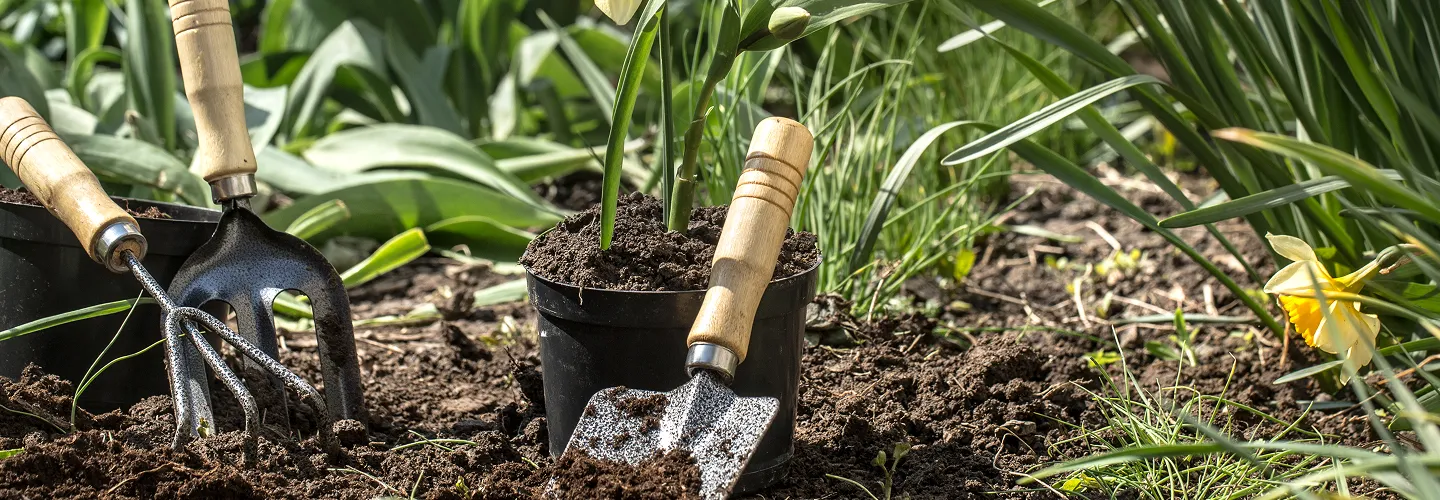
Clearwater Flower Bed Maintenance Services
Choose our Flower Bed Maintenance for expert care that keeps your garden blooming, weed-free, and healthy all season long—so you can enjoy stunning curb appeal without the hassle.
Get a Free QuoteOur Clearwater Landscaping & Yard Care Services
When to Schedule Flower Bed Maintenance in Clearwater, Florida – Seasonal Guide
In Clearwater, Florida, the best times for flower bed maintenance are shaped by our subtropical climate and unique local conditions. Early spring and late fall are optimal for most maintenance tasks, as these periods avoid the intense summer heat and the rare but possible winter chills. For neighborhoods near Coachman Park or along Gulf-to-Bay Boulevard, timing is especially important due to varying shade from mature oaks and the influence of coastal breezes.
Local factors such as high humidity, sandy soils, and the risk of drought during late spring can impact plant health and maintenance schedules. Homeowners in Countryside or Island Estates should also consider municipal watering restrictions and the proximity to saltwater, which can affect soil composition. For more information on local environmental guidelines, visit the City of Sudbury’s resource page.
Local Factors to Consider for Flower Bed Maintenance in Clearwater
- Tree density and shade coverage, especially in established neighborhoods
- Soil type (sandy or loamy) and drainage capacity
- Seasonal precipitation patterns and drought risk
- Proximity to saltwater or brackish environments
- Municipal watering restrictions and local ordinances
- Terrain slope and risk of erosion during heavy rains
Benefits of Flower Bed Maintenance in Clearwater
Enhanced Curb Appeal
Weed and Pest Prevention
Healthier Plant Growth
Seasonal Color Management
Professional Expertise
Time and Effort Savings
Clearwater Flower Bed Maintenance Types

Seasonal Flower Planting
-
Weed Control Services
-
Mulching and Soil Conditioning
-
Pruning and Deadheading
-
Fertilization Programs
-
Pest and Disease Management
-
Edging and Bed Redefining
Our Flower Bed Maintenance Process
Site Evaluation
Weed Removal
Soil Preparation
Plant Care
Mulching
Why Choose Clearwater Landscape Services
-
Clearwater Homeowners Trust Us
-
Expert Lawn Maintenance
-
Competitive Pricing
-
Professional Team
-
Satisfaction Guarantee
-
Personalized Service
-
Reliable Scheduling
Coordinating Flower Bed Maintenance with Clearwater’s Parks and Public Works Departments
Clearwater’s approach to flower bed maintenance in public and private spaces is shaped by coordination between the Parks & Recreation Department and the Department of Public Works. Residents and property managers are expected to keep flower beds free of debris and prevent mulch, clippings, or soil from entering storm drains or swales, especially during the city’s routine yard waste collection. For properties adjacent to public rights-of-way, flower bed maintenance must not obstruct sidewalks or drainage inlets. The city provides guidance on proper disposal of vegetative debris and may require bundling or containerization for curbside pickup. For questions about city-maintained landscapes or to report issues with public flower beds, contact the Parks & Recreation Department.
Clearwater FL Parks & Recreation
100 S Myrtle Ave, Clearwater, FL 33756
Phone: (727) 562-4800
Official Website: Clearwater FL Parks & Recreation
Clearwater’s Gulf Coast Climate and Soil Factors in Flower Bed Maintenance
Clearwater is situated in the Gulf Coast Florida region, characterized by high humidity, intense summer heat, and a pronounced wet season from June through September. These conditions influence flower bed maintenance in several ways:
- Sandy coastal soils, as identified by the USDA Web Soil Survey, often require frequent mulching to retain moisture and suppress weeds.
- Heavy rainfall can cause nutrient leaching, making it important to monitor fertilizer use and select slow-release products.
- Proximity to the coast increases salt exposure, especially in waterfront neighborhoods, which affects plant selection and irrigation practices. Additionally, the high water table and rapid drainage in many Clearwater neighborhoods mean that irrigation systems must be carefully managed to avoid runoff into storm drains and adjacent water bodies.
Regulatory Requirements and Environmental Compliance for Flower Beds in Clearwater
Maintaining flower beds in Clearwater involves compliance with both municipal codes and state environmental regulations. The city enforces property maintenance standards that require regular upkeep of landscape beds to prevent overgrowth and nuisance vegetation. Use of fertilizers and pesticides in flower beds must adhere to the Florida-Friendly Fertilizer Use on Urban Landscapes Model Ordinance, which restricts certain applications during the wet season to protect local waterways. Applicators of pesticides must be licensed as required by the FDACS Pesticide Applicator Certification and Licensing program. Residents should also be aware that debris or runoff from flower beds must not enter stormwater systems, as regulated under the Florida DEP NPDES Stormwater Program.
Clearwater FL Code Compliance
100 S Myrtle Ave, Clearwater, FL 33756
Phone: (727) 562-4720
Official Website: Clearwater FL Code Compliance
Professional Methods and Seasonal Timing for Flower Bed Maintenance in Clearwater
Effective flower bed maintenance in Clearwater requires adapting to the city’s climate and urban conditions. Key professional standards include:
- Mulch should be maintained at a depth of 2-3 inches to conserve moisture and suppress weeds, but kept away from plant stems to prevent rot.
- Drip irrigation or micro-spray systems are preferred for beds to minimize water waste and reduce fungal pressure, as recommended by EPA WaterSense Outdoors.
- Deadheading and removal of spent blooms should be performed regularly, especially during the rapid growth of the wet season.
- Seasonal replanting is best scheduled for late winter or early spring, when soil temperatures begin to rise and risk of cold snaps is minimal, as indicated by the USDA Plant Hardiness Zone Map.
- Weed suppression is most effective when combined with pre-emergent barriers and routine hand removal before seed set.
What Neighborhoods Do We Serve Throughout Clearwater, FL?
- Island Estates This waterfront community features salt-exposed beds and requires salt-tolerant plantings and careful irrigation management.
- Countryside Larger lots and mature landscaping in this area often mean extensive flower beds with both sun and shade exposure.
- Historic Downtown Urban core properties face reflected heat from pavement and require frequent mulch replenishment and runoff control.
- Feather Sound Proximity to canals and retention ponds makes stormwater protection and nutrient management especially important.
- Greenbriar Older subdivisions with established trees provide significant shade, influencing plant selection and maintenance cycles.
- Morningside-Meadows Mixed drainage and fill-based soils in this neighborhood require attention to soil amendment and irrigation efficiency.
- Del Oro Groves This area’s adjacency to greenways and parks means flower beds often border public spaces, necessitating compliance with city landscape standards.